Commercial Waste Removal in Sudbury

Commercial waste removal in Sudbury needs to be organised around trading hours, site access and the practical mix of materials a business produces. Our service is built for that reality: we collect and remove business waste from shops, offices, landlords, workshops and other commercial premises, then transport it for appropriate sorting, recycling or disposal. The aim is straightforward — keep your site clear, keep the workflow moving and avoid waste building up where it gets in the way of staff, stock or customers.
We handle a wide range of non-hazardous business rubbish, including general office clearances, end-of-tenancy commercial clear-outs, old furnishings, mixed junk from storerooms and the everyday clutter that accumulates in back rooms, corridors and service areas. Where a site needs a more focused approach, we can separate items for reuse, recycling and disposal in line with the load. If you need commercial waste removal that is practical rather than overcomplicated, our service is designed to be simple to arrange and clear in scope.
For an organised start, gather a rough idea of the materials to be taken, note any access limits and decide whether the work is a one-off clearance or part of a recurring need. A short written description is often enough to begin. You can then request a quotation and use the next step to compare the work needed with the space and time available.
Business waste collection for day-to-day premises
Routine business waste collection is about removing the items that sit between normal cleaning and full clearance. That can include packaging, broken office furniture, redundant display materials, archive boxes, worn stock room contents and other general waste that a business does not want to keep on site. The service is useful when a premises produces more than standard bins can manage, but not enough to justify a larger strip-out. It keeps waste from accumulating in locations that staff need to use every day.
We can also help where the load contains mixed materials that need sorting before removal. Wood, metal, plastics, textiles and general refuse may all be present together, and the practical approach is to separate what can be recovered from what needs disposal. That way the job stays controlled and the premises can be returned to normal use more quickly. Business waste removal is often the right fit for companies that need a regular, dependable clearance rather than a one-off purge.
What this type of collection usually covers
Typical items include office chairs, desks, shelving, bagged waste, unwanted filing, redundant retail fittings and old consumables that have reached the end of their use. Depending on the site, there may also be packaging from deliveries, broken equipment that is no longer needed and mixed contents from cupboards or storage rooms. We work with the load as presented, while keeping the process focused on safe handling and sensible disposal rather than unnecessary disruption.
Clearances for offices, shops and shared premises
Different commercial sites create different kinds of waste, so the clearance method has to fit the building. An office may need desks, chairs, monitors, cabinets and archive material removed with care around shared corridors and working teams. A shop may need stock room contents, display units or packaging taken away without blocking customer areas. Shared premises can require a tidy sequence so that one occupied unit is not affected by work in another. The service is designed to keep those details under control.
For this reason, we treat access and layout as part of the job rather than an afterthought. Goods lifts, narrow stairwells, loading zones, rear entrances and restricted parking all affect how the clearance is carried out. Where items need to be moved from upper floors or from inside a busy building, a careful plan helps the collection proceed smoothly. Office clearance is particularly useful when a workspace is being reconfigured, handed back or simply refreshed after years of accumulated furniture.
Businesses often want a clear run through the premises first, with the material separated into keep, remove and recycle piles. That makes the collection more efficient and helps the site manager stay in control of what is leaving. If you are comparing options, it can also help to note any bulky items, any fragile contents and any objects that should stay untouched. Clear instructions at the start reduce the chance of confusion once the work begins.
Furniture removal and disposal from commercial sites
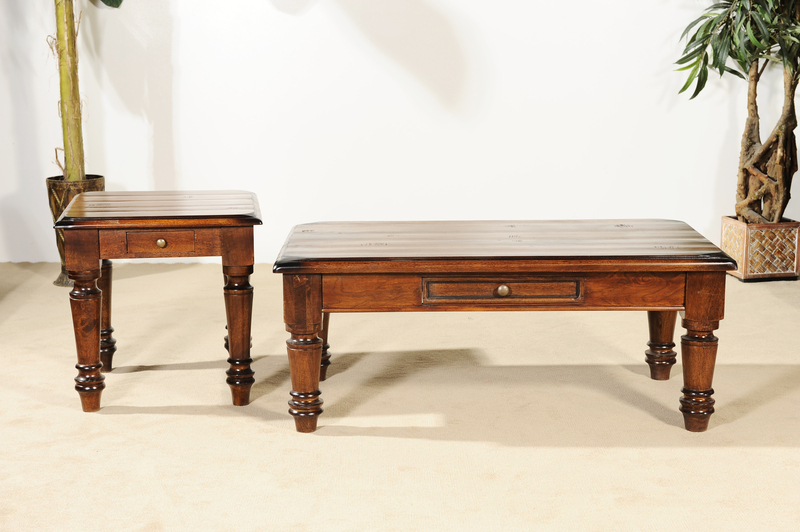
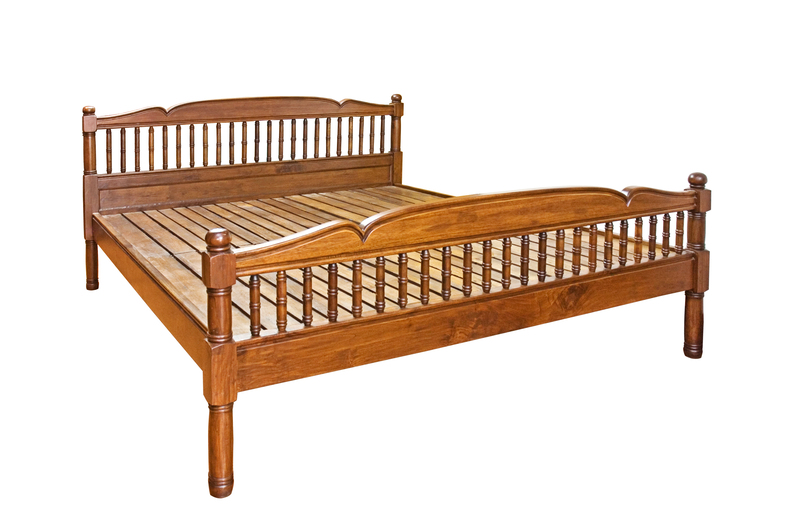
Furniture removal is one of the most common parts of business clearance work, especially when offices are being reorganised or closed and retail fit-outs are changing. Old tables, shelving, reception furniture, filing cabinets and seating can take up a surprising amount of room, even when each item seems manageable on its own. Removing them in a planned way creates space for refurbishment, new stock or a simpler layout. It also avoids leaving heavy items to be shifted repeatedly by staff.
Some furniture is suitable for reuse, some is better broken down for recycling and some is only fit for disposal. The right approach depends on condition, material and how it is built. For mixed loads, the work may include separating components so that metal, timber and upholstery are handled appropriately. Furniture clearance supports premises that need more than a single item taken away, while furniture disposal suits cases where the emphasis is on removing unusable pieces responsibly.
- Desks, chairs and workstations
- Storage units, cupboards and filing cabinets
- Reception furniture and waiting area seating
- Shop fittings, counters and display pieces
Bulky items, specialist pieces and hard-to-move waste
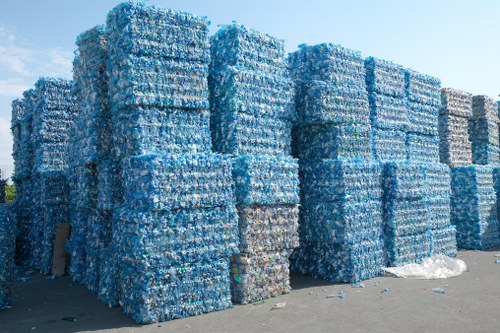
Not all commercial waste is light enough to gather into bags or small containers. Bulky items often need careful moving, particularly when they are awkwardly shaped or positioned in a tight workspace. We deal with heavy furnishings, broken units, worn mattresses, large soft seating and other items that need safe handling as part of a broader clearance. The objective is to take away the load without damaging the premises or leaving a trail of disruption behind it.
Where a site contains appliances or other larger objects, the collection may need a more specific plan. For example, some items are best removed from front-of-house areas, while others sit in back rooms or storage zones that require a different route. Fridge and appliance removal can be relevant when obsolete units are taking up valuable space, and mattress and sofa disposal can suit mixed clearances that include domestic-style furnishings in a commercial setting.
The main decision for the customer is usually whether the load is best dealt with item by item or as part of a broader site clearance. If the items are scattered across several rooms, grouping them before collection can save time. If they are all in one area, the work can often be organised as a single sweep. Either way, a clear description of the bulky pieces involved helps shape the right approach.
Recycling-led handling and responsible disposal choices
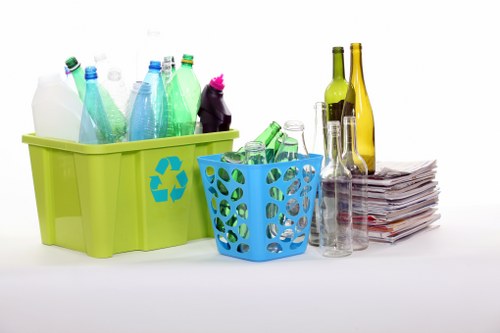
Commercial waste removal is not only about taking items away; it is also about deciding what should happen next. Many business loads contain recyclable materials that should be separated from general refuse where possible. Metal, cardboard, some plastics, timber and certain office materials may be handled differently depending on the mix and condition. That separation helps the waste stream stay organised and can make the overall clearance more efficient.
Where the contents include mixed materials, a practical approach is to sort them into groups before collection or during the removal process. That reduces the chance of reusable items being lost in general waste and keeps the job aligned with proper handling expectations. Recycling and sustainability explains the broader approach to recovery and disposal, while what can go in a skip is useful reading for anyone comparing waste types and deciding how best to manage them.
Commercial customers often want clarity on what is being removed and what is likely to be recycled. That does not mean every item can be recovered, but it does mean the load can be considered carefully rather than treated as a single undifferentiated pile. If you have mixed waste, keep note of anything that may require separate handling so it can be discussed before collection.
About Sudbury
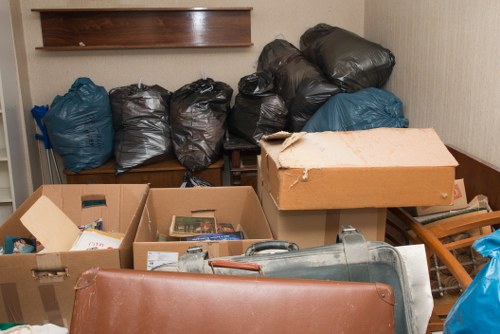
Sudbury is a market town in south Suffolk, close to the Essex boundary and set on the River Stour, which has long shaped its character and setting. The town grew from early Saxon origins and became an important medieval centre for trade, especially in wool and cloth. Traces of that past remain in the street pattern and in the historic core around the parish church, while the modern town stretches outward with a mix of housing, local shops and employment areas. The surrounding Stour valley gives Sudbury a softer edge than many inland towns, with open riverside walks and green spaces woven into the urban fabric. One of the town’s best-known cultural links is with the painter Thomas Gainsborough, who was born there in 1727; his name is strongly associated with the town’s artistic identity, and the local museum tradition reflects that connection. The town also sits within a wider landscape of villages, water meadows and farmland, so the relationship between built-up streets and open country remains central to how Sudbury is experienced. Everyday life is anchored by the centre’s independent businesses, weekly market traditions and local travel links, while the river corridor and nearby parks offer a calmer counterpoint to the main roads. This mixture of history, landscape and town life gives Sudbury a distinct sense of place that has developed over many centuries rather than from one single period of growth.
Planning a commercial clearance with fewer delays
Good preparation does not need to be complicated. A concise description of the site, the approximate amount of waste and the type of items involved is often enough to begin. If the clearance is happening in a live working environment, it also helps to note where access is easiest and whether there are times when the building is quieter. That simple information makes it easier to plan the sequence of removal without interrupting the day more than necessary.
It is also sensible to think about any items that should stay on site and any materials that need special attention. If paperwork, secure records or sensitive equipment are involved, keep them separate from general waste so the clearance remains focused. In some cases, businesses prepare by moving obvious keepers into a separate area before the team arrives. Confidential shredding can be a relevant additional service where old documents need to be dealt with securely as part of a wider clearance.
Two useful actions are to walk the site briefly beforehand and to decide which rooms or storage spaces matter most for access. That simple check can make the work more predictable, especially in premises with several floors or narrow routes. If you already know which items are the priority, mention them clearly when you ask for a quotation.
Supporting business moves, refits and handovers
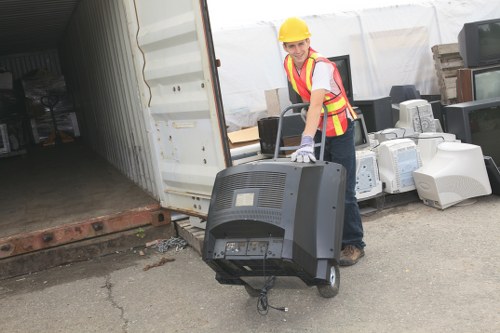
Commercial waste removal often plays a part in larger changes rather than existing as a standalone task. A business move may leave behind furniture, stock-room debris or packing waste. A refit can generate old fittings, damaged units and mixed materials that need to be cleared before the new layout is installed. A handover may require the premises to be emptied of redundant contents so the next stage can begin on a clean footing. Our work supports those transitions by removing what is no longer needed in a practical sequence.
Where a site is being emptied in stages, it can help to separate the categories in advance: items to keep, items for recycling and items for disposal. That does not need to be a complicated exercise, but it does make larger jobs more manageable. Flat clearance, home clearance and house clearance are also available where a business-related job overlaps with domestic-style contents, such as staff accommodation, landlord voids or mixed-use premises.
When you are ready to move forward, ask for a quotation with as much clarity as you can provide about the items and access. The more accurately the load is described, the easier it is to match the work to the right collection plan. If you prefer to organise things online, you can contact us to begin the next step.