Commercial Waste Removal Sudbury – Health & Safety Policy
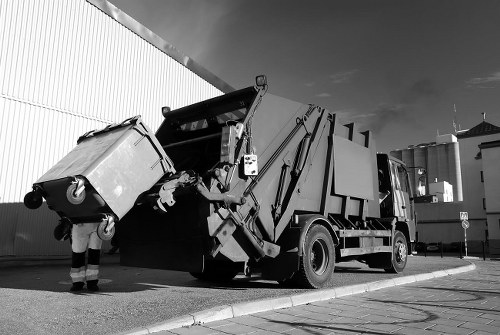 Purpose: This Health and Safety Policy sets out the principles, responsibilities and practical controls that govern safe operations for commercial waste removal and commercial rubbish collection across our rubbish company service area. The policy applies to all teams involved in waste collection, skip hire, bin services, vehicle operation and on-site handling of commercial refuse. Our aim is to protect employees, contractors, clients and the public while delivering efficient commercial waste services.
The policy emphasises risk assessment, training and safe systems of work. It recognises the diverse tasks involved in waste haulage and removal from commercial properties, including manual handling, vehicle loading, use of lifting equipment and site access management. We commit to reducing accidents, minimising exposure to hazardous materials and continuously improving safety performance throughout the commercial waste collection process.
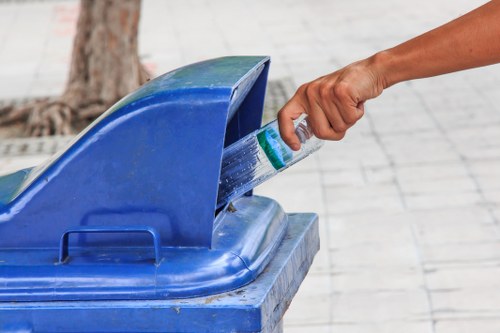 Scope: This statement covers commercial waste removal, skip collection, bulky rubbish removal and related activities in the designated service area. It applies to employees, subcontractors, visitors and temporary staff. The policy addresses routine operations and foreseeable emergencies, such as spill response, fire, and accidental exposure to hazardous or unknown waste streams that can occur during commercial rubbish removal.
Responsibilities and Organisation
Management will lead on health and safety by providing resources, appointing competent supervisors and ensuring that documented procedures are maintained. Supervisors are responsible for implementing safe working practices on site and during collections. Employees must follow instructions, wear required personal protective equipment (PPE), and report hazards immediately. Subcontractors must comply with our safety standards and demonstrate competency before being authorised to perform waste services.
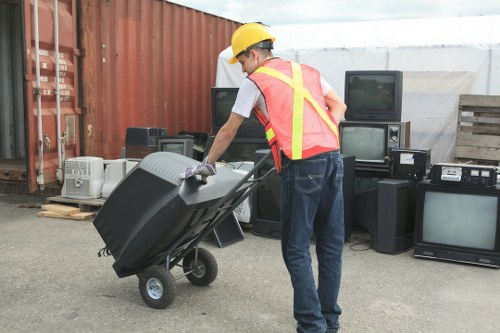 Key responsibilities include:
- Carrying out and recording risk assessments for collection and disposal activities;
- Maintaining vehicles and lifting equipment to safe working condition;
- Providing PPE and ensuring its correct use;
- Training staff in manual handling, segregation of waste and dealing with hazardous items;
- Reporting and investigating accidents, near misses and unsafe conditions.
We emphasise clear communication. Pre-shift briefings, route planning and on-site risk checks reduce unwanted exposure to risks from sharps, chemical contamination, biological waste or combustible loads. Safe systems of work are documented for routine tasks and reviewed whenever work conditions change.
Controls, Training and Equipment
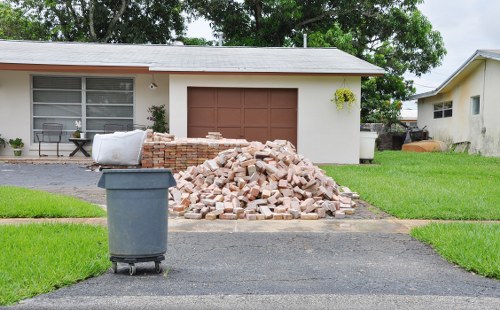 Operational controls include vehicle inspection checklists, secure load procedures, and segregation protocols for recyclable, non-recyclable and hazardous waste. Drivers and loaders receive training in safe lifting techniques, vehicle access and egress, and the use of specialized handling tools where required. Equipment such as tail lifts, pallet trucks and harnesses are regularly serviced to reduce the risk of mechanical failure during commercial waste removal operations.
Personal protection is a priority: staff are issued with gloves, high-visibility clothing, steel-toe footwear and eye protection as standard. Additional PPE is supplied for handling specific waste types. A programme of refresher training, competency checks and toolbox talks ensures that teams stay informed about best practice for rubbish removal and waste transport safety.
 Emergency preparedness includes spill kits, first-aid provision and clear procedures for dealing with incidents involving hazardous materials. Reporting lines and escalation routes are established so that major incidents trigger immediate containment actions and notification to the appropriate authorities if required. Post-incident reviews identify improvements and update procedures accordingly.
Monitoring, auditing and continuous improvement are key to sustaining safe operations. Regular safety audits, vehicle checks and route safety reviews measure compliance with the policy. Performance indicators such as incident rates, near-miss reports and training completion are recorded and reviewed at management meetings. Where improvements are identified, corrective actions are implemented promptly to enhance the safety of commercial rubbish removal services.
Contractor engagement forms part of our safety framework. Subcontractors are selected based on safety records and must demonstrate adherence to safe working practices. We require documented evidence of training, insurance and risk management before allowing contractors to deliver waste handling or haulage on behalf of the organisation.
In support of this policy we commit to: preventing injury and ill-health, ensuring safe and legal handling of all waste types, and fostering a workplace culture where safety concerns are raised and addressed. This policy is reviewed at defined intervals or when significant changes in operations occur to ensure it remains effective and aligned with evolving industry standards.
The policy is promulgated to all staff and stakeholders and is available as a reference for safe commercial waste collection and removal activities. Leadership, training, equipment maintenance and ongoing monitoring form the backbone of our approach to managing the risks inherent in the commercial waste and rubbish collection sector.
All personnel are encouraged to participate in safety improvement by reporting hazards, suggesting improvements and engaging in training opportunities. By maintaining vigilance and adhering to the procedures set out here, we aim to deliver safe, reliable and compliant commercial waste services across our service area.
Signed and endorsed by management — effective immediately and subject to regular review to ensure continual improvement in health and safety for commercial waste removal operations.