 Commercial Waste Removal Sudbury: Recycling and Sustainability
Commercial Waste Removal Sudbury is committed to delivering an eco-friendly waste disposal area and supporting a thriving sustainable rubbish area across local business districts. Our approach combines practical recycling services with measurable environmental targets, low-carbon transport, and active partnerships that keep reusable materials circulating in the community. This page explains our recycling percentage target, how we use local transfer stations, charity partnerships, and our low-emission van fleet to reduce the carbon footprint of commercial waste removal in Sudbury.
Our Sustainability Vision for Sudbury
We set a clear, auditable recycling percentage target: to achieve a 70% recycling and reuse rate from commercial collections by 2030. That target applies to all streams we manage — dry mixed recycling, organics, construction waste, and reusable goods — and guides decisions about routing, sorting, and processing. By setting an ambitious target, Sudbury commercial waste removal operations can drive demand for higher-quality separated materials and support local recycling infrastructure. To make the target practical, we work closely with existing municipal and regional facilities. Local transfer stations are a vital part of the chain: they act as consolidation points where collected materials are sorted, baled, and directed to the right processors. We coordinate collections to match opening hours and capacity at transfer stations and priority reprocessors, reducing double-handling and lowering emissions from extra trips.
Our service model respects the boroughs' approach to waste separation by encouraging businesses to mirror the local kerbside systems where feasible. For many local areas this means separate streams for food and garden waste, dry mixed recycling (paper, card, cans, and plastic), glass, and general residual waste. Where the borough promotes specialised streams — for example separate cardboard collection or dedicated glass banks — we replicate those streams for commercial clients to maintain high material quality.
Low-Carbon Vans and Route Efficiency
We operate a progressively decarbonising fleet that includes electric vans for light collections and low-emission Euro VI vehicles for heavier loads. Combined with route optimization software, telematics, and driver training in eco-driving, this fleet reduces urban emissions and noise. Our goal is to have at least 40% of collection miles delivered in zero-emission vehicles by 2028, supporting a low-carbon commercial rubbish area across Sudbury and neighbouring districts.Material handling is designed to maximise reuse before recycling. When items are suitable, crews segregate reusable furniture, fixtures, and functional appliances and divert them to reuse channels rather than shredding or landfill. Strong partnerships with non-profit reuse organisations and local charities enable us to reroute items for social benefit and reduce waste volumes coming to reprocessors. These partnerships are part of how our sustainable rubbish services create social as well as environmental value.
We maintain active relationships with a spectrum of local organisations, including community reuse centres, furniture charities, textile banks, and social enterprises that specialise in refurbishing electricals. Through these partners, many items that might otherwise be disposed of are given a second life in the Sudbury area. This approach both supports the charity sector and contributes to the recycling percentage target by counting verified reuse outcomes.
Key operational practices that support our eco-friendly waste disposal area include:
- Source separation programmes tailored for commercial premises.
- Scheduled bulk pickups linked to transfer station windows to minimise idling and double handling.
- Donation routing that prioritises refurbishment and reuse before recycling.
 We also invest in staff and customer education, with easy-to-follow signage and sorting instructions that reflect the latest borough guidance on what goes in recycling and what must be separated. For example, clear distinctions are made between food waste and dry mixed recycling, and guidance highlights common contaminants to avoid — a practical step that improves material quality and marketability.
Monitoring and reporting are central to our sustainability programme. Monthly diversion reports track tonnages by stream, the percentage of materials reused, recycled, or sent for energy recovery, and carbon savings from electric vehicle miles. These reports allow us to adapt quickly, for instance increasing collections of problematic streams or arranging more frequent drop-offs at local transfer stations if contamination rises.
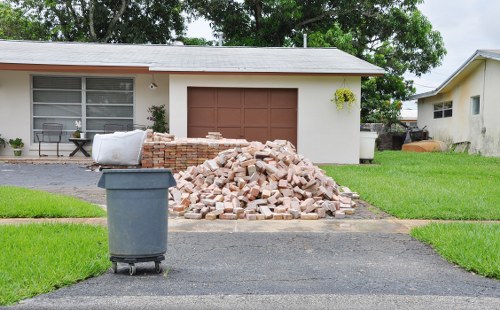 In summary, our Sudbury-focused commercial waste solutions bring together an ambitious recycling percentage target, practical use of local transfer stations, charity partnerships for reuse, and a steadily decarbonising van fleet. By aligning commercial collections with borough separation systems and investing in route and processing efficiencies, we create a resilient, eco-friendly waste disposal area and a genuinely sustainable rubbish area for businesses and the community. Together, these measures help ensure that waste resources are managed responsibly and that as much material as possible is kept in productive use rather than lost to landfill.